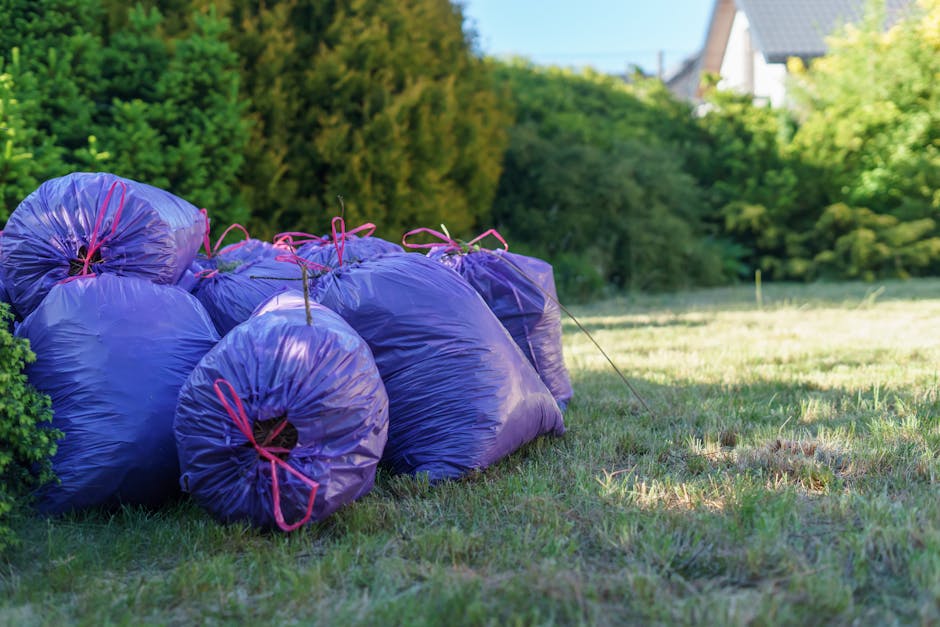
Bushy Park Garden Waste Removal and Rubbish Clearance: A Practical Guide for Tidier Outdoor Spaces
If your garden has tipped from "a bit untidy" into full-on chaos, you are not alone. Fallen branches, hedge clippings, broken pots, old fencing, and that mysterious pile of stuff that keeps growing by the shed all build up faster than most people expect. Bushy Park garden waste removal and rubbish clearance is about getting that mess dealt with properly, without turning a weekend into a minor excavation project.
Whether you are clearing after a big cut-back, tackling a seasonal reset, or just trying to reclaim the patio before the next spell of decent weather, the right approach makes everything easier. In this guide, you will find a clear explanation of how it works, what can be removed, what to watch out for, and how to choose the most sensible method for your space.
It is written for homeowners, tenants, landlords, gardeners, and anyone who has ever looked at a heap of green waste and thought, right, where do I even start?
Why Bushy Park garden waste removal and rubbish clearance Matters
Garden waste rarely stays tidy for long. One windy afternoon and suddenly there are twigs on the lawn, leaves in the borders, and a stack of cuttings that smells fresh for about ten minutes before it starts to feel like a job waiting to happen. Bushy Park garden waste removal and rubbish clearance matters because it keeps outdoor areas safe, usable, and easier to maintain.
There is also the practical side. Piles of waste can attract pests, block access paths, and make simple tasks awkward. A cluttered garden can hide trip hazards, damage grass if left too long, and make future maintenance more expensive. In some cases, it can even prevent you from seeing what else needs attention, such as rot, broken panels, or drainage problems.
For people close to Bushy Park and the wider Teddington area, outdoor space is often valuable precisely because it is limited. If your garden is small, every square metre counts. Clearing waste properly is not just about appearances; it helps you get back the usable space you have already paid for.
There is a sustainability angle too. Good garden clearance should separate recyclable green waste from mixed rubbish wherever possible. That means less material going to landfill and a cleaner, more responsible disposal process overall. If you want to think a bit more about how waste is handled, the site's recycling and sustainability approach is a useful place to understand the bigger picture.
How Bushy Park garden waste removal and rubbish clearance Works
At its simplest, the process is straightforward: collect the waste, sort it, load it safely, and take it away for appropriate disposal or recycling. The details matter, though. A good clearance service does not just shovel everything into a van and call it done. It looks at the material, the access, the volume, and whether any items need special handling.
Typical garden waste includes branches, hedge trimmings, leaves, soil, turf, old plant pots, timber offcuts, damaged furniture, bags of mixed outdoor rubbish, and occasionally larger items like sheds, broken planters, or rotted decking. Not everything belongs in the same pile. Green waste, inert waste, and general rubbish may be separated for handling reasons. That small bit of organisation makes a real difference.
For many jobs, the process starts with a quick assessment. You might send photos, describe the materials, or ask for a quote based on the amount of waste and access conditions. If the garden has narrow side access, steps, or awkward gates, that changes how long the job will take and how many people may be needed. Truth be told, access is one of the most underestimated parts of any clearance.
Once the team arrives, the waste is collected, loaded, and removed in one go or in staged loads if the job is bigger. After that, the space is left swept through and ready for whatever comes next: pruning, replanting, lawn repair, or simply a quiet cup of tea in a much calmer garden.
If you are comparing broader waste services, the main waste removal page gives useful context on how a general collection sits alongside more specific clearance jobs.
Key Benefits and Practical Advantages
There is no mystery here, just a lot of very practical upsides.
- Faster results: What might take several trips to the tip can often be handled in one organised visit.
- Less physical strain: Heavy bags of soil, awkward branches, and damp clippings are not kind to the back, let's face it.
- Cleaner outdoor spaces: Clear access paths, safer patios, and more usable garden corners.
- Better presentation: Helpful for selling, letting, or simply enjoying the space more.
- Improved safety: Fewer trip hazards, fewer sharp offcuts, and less mess around storage areas.
- More responsible disposal: When waste is sorted properly, recyclable or compostable material is more likely to be handled well.
There is also a psychological benefit that people do not always mention. A cleared garden feels lighter. You notice the edges again. The space breathes. On a grey London morning, that can be the difference between "I should sort that out" and "actually, I can enjoy this place again."
For properties with wider clearance needs, it can make sense to combine garden work with related jobs such as garage or home clearance. If that is your situation, services like garage clearance or home clearance may help you deal with the backlog in one practical sweep.
Who This Is For and When It Makes Sense
Bushy Park garden waste removal and rubbish clearance suits a lot of different situations. You do not need a huge garden to need help. In fact, smaller gardens often create the biggest frustration because there is nowhere to hide the mess.
This service makes sense if you are:
- after a major prune, hedge cut, or seasonal tidy-up
- clearing storm damage, fallen branches, or windblown debris
- removing old garden furniture, broken ornaments, or damaged fencing
- preparing a property for sale or letting
- managing an inherited property or a neglected outdoor area
- dealing with mixed rubbish that cannot simply be composted
- trying to reclaim access to a shed, side passage, or patio
It is also a sensible option for landlords and letting agents where a tenancy ends and the garden has been left in a less-than-glorious state. Not dramatic, just inconvenient. And inconvenient is often enough.
Commercial premises with small outdoor spaces can also benefit. A tidy frontage matters more than people think, and mixed garden waste around an office or retail property can become a recurring nuisance. If the premises are part of a wider business operation, you may also want to look at business waste removal for the non-garden material.
Step-by-Step Guidance
If you want the process to run smoothly, a little preparation goes a long way. Here is a simple way to handle it.
- Walk the garden first. Make a rough list of everything that needs to go. Separate green waste from general rubbish where you can.
- Identify awkward items. Old sheds, timber, broken paving, soil, heavy pots, and anything sharp or dusty should be flagged early.
- Check access. Measure side paths, gate widths, stair access, and parking restrictions if they are likely to matter.
- Take photos. A few clear images usually help with quoting and prevent misunderstandings later.
- Decide what stays. This sounds obvious, but people often forget to mark off compost bins, tools, reusable planters, or items they plan to keep.
- Book a suitable time. Choose a slot when access is clear and the driveway or parking space is available if needed.
- Prepare the area. Move delicate plants, ornaments, or pets out of the way. A tiny bit of pre-planning saves a lot of faff.
- Let the team load and sort. Good clearance work is about moving efficiently while keeping the site tidy and safe.
- Do a final check. Look for overlooked bags, loose nails, or small bits of debris before you call it finished.
A small but helpful tip: if a job includes both garden and indoor clutter, bundle the related items together before the team arrives. For example, a shed clear-out often pairs neatly with loft clearance or house clearance if you are already in declutter mode.
Expert Tips for Better Results
In our experience, the best garden clearances happen when the job is treated as a quick project rather than a vague intention. That sounds basic, but it matters.
Sort by material, not just by location. Branches, grass cuttings, soil, and rubble behave differently. Mixed piles slow everything down.
Keep heavy waste separate. Soil and wet turf are much heavier than they look. A bag that seems fine in the morning can feel like a small tragedy by lunchtime.
Remove hazards first. Broken glass, rusty wire, old nails, and splintered wood should be handled carefully before the main tidy-up starts.
Do the work before the waste gets damp. Dry branches and leaves are easier to handle than soggy piles after an overnight drizzle. A very British problem, that one.
Think ahead about replacement. If you are clearing space for a new seating area, planting plan, or lawn repair, it helps to remove waste in a way that leaves the site ready for the next step.
Ask about recycling routes. Not all clearance is equal. Responsible handling of green waste, timber, and reusable items can reduce the overall environmental impact.
If you are unsure about mixed loads, it is often worth checking a service's guidance on what can be included. The page on what can go in a skip is helpful for understanding common sorting issues, even if you are not hiring a skip directly.
Common Mistakes to Avoid
Most problems with garden waste clearance are avoidable. They usually come down to rushing or underestimating the volume of material.
- Leaving everything in one mixed pile: It looks simpler, but it can create extra handling issues.
- Assuming all waste is the same: Soil, branches, treated timber, and domestic rubbish may not be managed the same way.
- Forgetting about access: Narrow side gates, stairs, and shared entrances can delay a job if not mentioned early.
- Ignoring hidden waste: Bags behind the shed, old compost sacks, and broken tools are easy to miss.
- Trying to overfill bags: This is how backs complain. Loudly.
- Waiting too long after cutting: Fresh green waste is easier to move than compacted, rotting, rain-soaked piles.
- Not checking specialist items: Certain materials, such as treated timber or anything potentially hazardous, should be flagged rather than mixed in casually.
A simple rule helps: if you are unsure about an item, set it aside and ask before it gets added to the load. That one habit can save a lot of confusion.
Tools, Resources and Recommendations
You do not need a shed full of professional kit to tidy a garden well, but the right tools make a huge difference. For smaller jobs, basic gloves, sturdy bags, a rake, pruning shears, a broom, and a wheelbarrow may be enough. For heavier work, you may also need loppers, saws, dust sheets, and proper lifting equipment.
Useful practical tools and resources include:
- Heavy-duty garden bags for cuttings, leaves, and lightweight mixed waste
- Tarpaulins to keep piles contained and easier to load
- Wheelbarrows or tubs for moving soil and branches without multiple awkward lifts
- Gloves and eye protection for thorny hedges, rough timber, or dusty materials
- Measuring tape if access or item size may matter
- Phone photos to help estimate the load and avoid surprises
If you want to plan the work more broadly, the pricing and quotes page can be useful for understanding how enquiries are usually handled, while book online is the natural next step if you already know what needs collecting.
For jobs involving mixed household clutter as well as the garden, you may find it useful to pair the clearance with house clearance or even flat clearance if the property layout is compact and storage space is part of the issue.
Law, Compliance, Standards, or Best Practice
Garden waste removal is not just a practical task; it also sits within normal UK waste-handling expectations. You do not need to be an expert in regulations to make good decisions, but a few common-sense principles matter.
First, waste should go to a legitimate route for recycling or disposal. That means the person taking it away should be able to explain how material is handled, particularly if it includes mixed rubbish rather than simple green waste. Second, any carrier dealing with waste should be suitable for the work and operate safely. Third, hazardous or unusual items should never be slipped into a general load just to get rid of them quickly.
From a best-practice perspective, the main questions are simple: is the waste being separated sensibly, is the work being done safely, and is there a reasonable attempt to divert recoverable material from disposal? Those are the basics, and they are worth asking about. No need to make it more complicated than that.
On the practical side, you should also think about insurance and safe handling, especially where there are sharp edges, heavy bags, or access through shared spaces. A responsible provider should be transparent about these matters. If that interests you, the site's insurance and safety page and health and safety policy give a better feel for the standards behind the service.
If your garden waste includes items that could be considered hazardous, such as chemicals or treated materials, use the dedicated hazardous waste disposal information rather than assuming they can go with ordinary green waste. Better to pause for five minutes than create a mess for everyone later.
Options, Methods, or Comparison Table
People usually choose between a few practical options: do it themselves, hire a skip, or book a clearance service. Each has its place.
| Method | Best for | Pros | Watch-outs |
|---|---|---|---|
| DIY removal | Very small amounts of light waste | Low direct cost, flexible timing | Time-consuming, heavy lifting, multiple trips, access issues |
| Skip hire | Ongoing projects with a lot of waste | Good for staged jobs, useful if you are generating waste over several days | Space needed, permit considerations, loading effort, mixed waste rules |
| Man-and-van clearance | Quick removal of mixed garden and rubbish loads | Fast, labour included, no loading logistics for you | Needs clear item list and access details upfront |
For a lot of Bushy Park properties, the clearance option wins on convenience. That said, if you are doing a long renovation or a garden redesign over several weekends, skip-style planning may be more practical. The right answer depends on space, urgency, and how much lifting you are willing to do yourself. Sometimes the honest answer is: not much, and that is perfectly fair.
If your project overlaps with builder-generated waste, the builders waste clearance page is a useful comparison point because landscaping work often creates a mix of soil, rubble, timber, and packaging all at once.
Case Study or Real-World Example
Imagine a small garden behind a terraced property near Bushy Park. It has not been ignored exactly, but life has happened. The hedge grew too far. A broken bench has been leaning against the fence for months. There are six black bags of leaves, two bags of soil, an old rotary dryer, and a heap of cut branches that started as "just a quick trim" and turned into a proper pile.
The owner first thinks about doing it over two weekends. Then the weather changes, the bags get heavier, and the bench starts looking even more awkward. So instead, they sort the waste into a few neat categories, take photos, and book a clearance. The team arrives, checks access through the side passage, removes the waste in one visit, and leaves the area swept back. Suddenly the patio is visible again. The space feels bigger. Simple as that.
What made the difference? Not magic. Just a sensible plan, realistic expectations, and a clear idea of what had to go. That is usually how the best jobs go. Not glamorous. Effective.
Practical Checklist
Use this checklist before arranging Bushy Park garden waste removal and rubbish clearance:
- Separate green waste from general rubbish where possible
- Identify soil, rubble, timber, and any heavy material
- Set aside hazardous or unusual items for review
- Measure gates, side access, and stairways if relevant
- Take a few clear photos of the waste pile
- Decide what you want to keep before the clearance begins
- Clear parking or access space if needed
- Move pets, ornaments, and delicate plants out of the way
- Confirm whether the job includes loading, sweeping, and disposal
- Check the final area for missed bags, nails, or debris
If you are combining this with a bigger declutter, it can also help to review related services such as furniture clearance or furniture disposal if old outdoor seating, broken tables, or damaged storage units are part of the problem.
Get a free quote today and see how much you can save.
Conclusion
Bushy Park garden waste removal and rubbish clearance is one of those jobs that pays you back quickly. Clear the waste, and the space instantly becomes easier to enjoy, easier to maintain, and safer to use. The job may look messy at the start, but with the right plan it does not need to be complicated.
If you sort the material sensibly, think about access, and choose the method that fits the size of the task, you will avoid most of the stress people usually associate with garden clearance. And really, that is the goal: less dragging, less guessing, less mess.
There is something genuinely satisfying about seeing a garden reset properly. Not perfect. Just clear, calm, and ready for whatever comes next. That is usually enough.
Frequently Asked Questions
What counts as garden waste in a Bushy Park clearance job?
Garden waste usually includes branches, hedge cuttings, leaves, grass, small roots, weeds, old plants, soil, turf, and light outdoor debris. Mixed rubbish from the garden, such as broken pots, bags, or damaged furniture, may also be included depending on the service and the material involved.
Can garden rubbish and general household waste be removed together?
Often, yes. Mixed loads are common, especially where a shed, patio, or storage area has become a catch-all. The important thing is to describe the waste accurately so it can be handled and sorted properly. That helps avoid delays and keeps the process straightforward.
Is garden waste removal better than hiring a skip?
It depends on the job. A skip can work well for ongoing projects or when you want to load waste over several days. A clearance service is usually better if you want the waste removed quickly, with loading included, and without having to lift everything yourself.
What if my garden has difficult access?
Difficult access does not automatically rule out a clearance. Narrow side passages, steps, or shared entrances just need to be explained early. Photos help a lot. The team can then plan how to remove the waste safely and efficiently, rather than turning up and guessing. Which nobody enjoys.
Do I need to separate green waste from other rubbish?
Not always, but it is helpful if you can. Separating green waste, timber, soil, and mixed rubbish makes the job cleaner and can improve the handling of recyclable material. If you cannot sort it all yourself, mention what is mixed together and leave it to the team.
Can old garden furniture be taken away too?
Yes, in many cases old outdoor furniture can be removed alongside garden waste. Broken chairs, tables, benches, plant stands, and similar items are common additions to a clearance. If you have larger household items as well, related services such as furniture disposal may be useful.
What should I do with soil or turf?
Soil and turf are heavy, so it is wise to keep them separate from lighter garden waste if possible. They often take up more capacity than people expect. If your pile includes a lot of soil, mention it early because that affects how the job is planned.
How do I know whether an item is hazardous?
If something contains chemicals, residues, sharp contaminants, or treated materials, treat it cautiously and do not assume it can go with general garden waste. If in doubt, ask before mixing it in. The hazardous waste disposal guidance is the safer place to look for these items.
Can I book garden waste removal at short notice?
Sometimes yes, depending on availability and the size of the job. Smaller clearances are often easier to fit in quickly, while bigger or more complex jobs may need a bit more planning. The fastest way to find out is to request a quote with a few photos and a brief description.
Will the area be left tidy after collection?
It should be. A proper clearance is not finished when the last bag is lifted; the space should be left swept through and checked for small debris. That final tidy-up is part of what makes the service feel worthwhile rather than half-done.
How much does Bushy Park garden waste removal and rubbish clearance cost?
Costs vary based on the volume of waste, the type of material, access, and whether labour-heavy lifting is needed. The most reliable approach is to ask for a quote based on the actual job rather than guessing from the size of the garden alone.
What is the best next step if my garden is more cluttered than I expected?
Start by making a simple pile of what definitely needs to go, take a few photos, and decide whether the job is purely green waste or mixed clearance. If the space also includes indoor clutter, consider whether a broader service like home clearance or house clearance would save time overall.